
Yes, dogs can eat mango! This tropical fruit is safe and nutritious for most dogs when prepared correctly. Rich in vitamins A, C, and E, plus fiber and antioxidants, mango makes an excellent occasional treat. However, you must remove the pit and skin before serving, as these parts can be dangerous. Can dogs eat mango every day? Not recommended, moderation is key due to the high natural sugar content.
Can Dogs Eat Mango Safely? What Pet Parents Need to Know
When your dog gives you those pleading eyes as you slice into a juicy mango, you might wonder if sharing is safe. The good news is that mango flesh is completely safe for dogs and offers genuine health benefits. Unlike grapes, chocolate, or onions, mango isn’t toxic to our canine companions.
That said, there are important safety considerations. The pit poses a serious choking hazard and contains trace amounts of cyanide compounds. The tough, fibrous skin is difficult to digest and contains urushiol—the same irritating compound found in poison ivy. When prepared properly (flesh only, no pit or skin), mango becomes a nutritious, hydrating snack your dog will love.
Most veterinarians agree that fresh fruits like mango can complement a balanced dog nutrition plan, provided they don’t exceed 10% of your dog’s daily caloric intake. Many pet parents who explore tropical fruits often ask, can dogs eat papaya, along with mango. However, it’s important to understand everything about the fruit before giving it to your furry friend.
Nutritional Benefits of Mango for Dogs
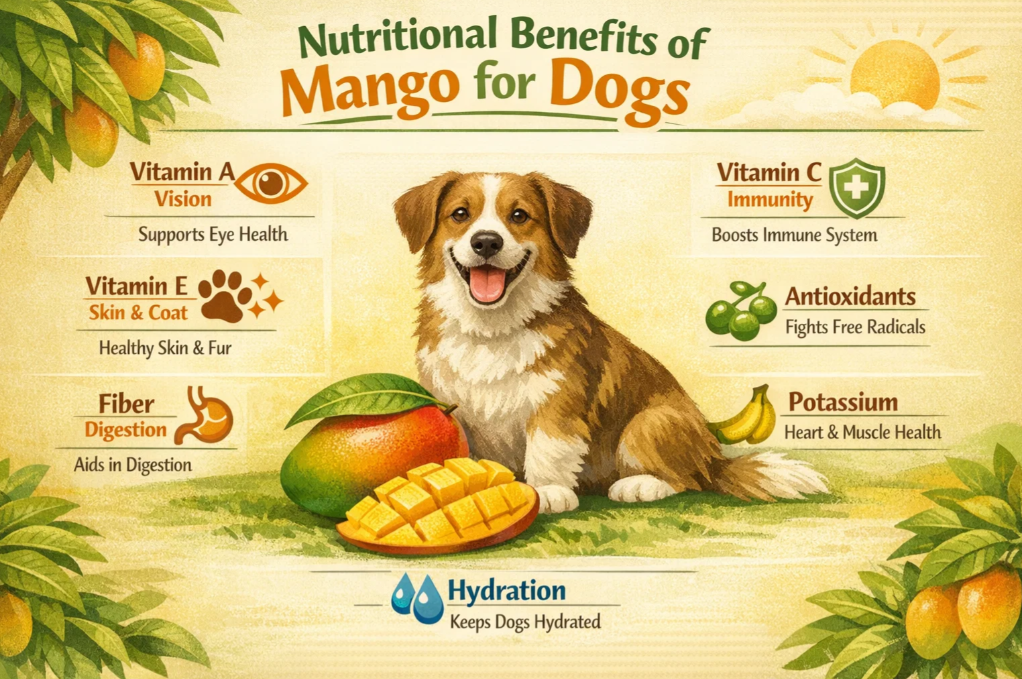
Mango isn’t just a sweet treat; it’s a nutritional powerhouse that can support your dog’s health in multiple ways. Unlike mango flesh, some fruits raise bigger safety concerns, leading owners to ask, can dogs eat avocado safely.
| Nutrient (per 100g fresh fruit) | Mango | Apple | Banana | Blueberries | Watermelon |
|---|---|---|---|---|---|
| Calories | 60 kcal | 52 kcal | 89 kcal | 57 kcal | 30 kcal |
| Natural Sugar | 14 g | 10 g | 12 g | 10 g | 6 g |
| Fiber | 1.6 g | 2.4 g | 2.6 g | 2.4 g | 0.4 g |
| Vitamin A | 54 µg | 3 µg | 3 µg | 3 µg | 28 µg |
| Vitamin C | 36 mg | 4.6 mg | 8.7 mg | 9.7 mg | 8.1 mg |
| Potassium | 168 mg | 107 mg | 358 mg | 77 mg | 112 mg |
| Water Content | 84% | 86% | 75% | 84% | 92% |
1. Vitamins for Overall Health
- Vitamin A: This is abundant in mangoes and crucial for maintaining healthy vision, especially in senior dogs. This fat-soluble vitamin also supports immune function, bone growth, and reproductive health. A single cup of mango contains approximately 25% of a human’s daily vitamin A needs, which translates to significant benefits for dogs when given in appropriate portions.
- Vitamin C: This acts as a powerful antioxidant that helps combat free radicals and reduce inflammation. While dogs naturally produce their own vitamin C, supplemental amounts during stressful periods, illness, or recovery can provide additional immune support.
- Vitamin E: This promotes healthy skin and a shiny coat. If your dog struggles with dry, itchy skin or seasonal allergies, the vitamin E in mango may offer some relief over time.
- B Vitamins: These include B6 (pyridoxine) and folate (B9), which support metabolism, red blood cell production, and nervous system function. These vitamins help your dog maintain energy levels and overall vitality.
2. Minerals for Strong Bodies
Mangoes contain potassium, which supports proper heart function, muscle contraction, and nerve transmission. This mineral also helps maintain healthy blood pressure and supports kidney function.
Magnesium assists with energy production and helps your dog’s body metabolize proteins and fatty acids. It also plays a role in maintaining strong bones and ligaments.
3. Fiber for Digestive Health
The soluble and insoluble fiber in mangoes supports healthy digestion and regular bowel movements. For dogs with occasional constipation, small amounts of mango can help. The fiber also promotes feelings of fullness, which can be helpful for overweight dogs on controlled diets (though the sugar content requires careful monitoring). For dietary variety, many owners also wonder, Can dogs eat broccoli, as a fiber-rich vegetable alternative, and we recommend you analyze every detail.
4. Antioxidants That Fight Disease
Mangoes are loaded with antioxidants like beta-carotene, alpha-carotene, and cryptoxanthin. These compounds help neutralize harmful free radicals that can damage cells and contribute to aging and disease. According to the National Center for Biotechnology Information, antioxidant-rich diets may help reduce inflammation and support immune function in dogs.
5. Hydration Benefits
Mangoes are approximately 84% water, making them an excellent hydrating snack during hot weather. If you have a dog that doesn’t drink enough water, adding moist foods like mango can help increase their fluid intake.
Potential Risks and Dangers of Feeding Mango to Dogs
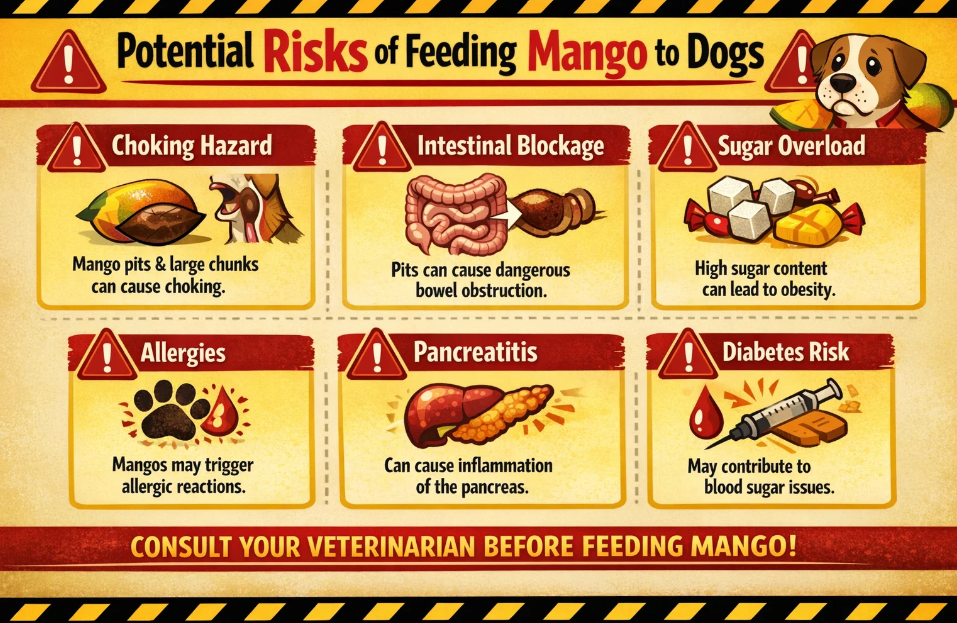
While mango flesh is safe, certain parts of the fruit and overconsumption can pose serious risks.
1. The Mango Pit: A Serious Hazard
The large, flat pit (or stone) at the center of every mango is dangerous for several reasons:
A. Choking Risk:
The pit is large, slippery, and difficult for dogs to chew properly. It can easily lodge in the throat, especially in small to medium-sized breeds.
B. Intestinal Blockage:
If swallowed, the pit can become stuck in the digestive tract, causing a potentially life-threatening intestinal obstruction. Symptoms include vomiting, lack of appetite, constipation, lethargy, and abdominal pain. This requires emergency veterinary intervention and often surgery.
C. Cyanide Content:
Like apple seeds and cherry pits, mango pits contain amygdalin, which converts to cyanide when digested. While a dog would need to chew and consume a significant amount to experience cyanide poisoning, it’s simply not worth the risk.
2. Mango Skin: The Hidden Irritant
Mango belongs to the same plant family (Anacardiaceae) as poison ivy, poison oak, and poison sumac. The skin contains urushiol, the allergenic oil responsible for the itchy rashes these plants cause.
While most dogs won’t react to urushiol as severely as humans, some can develop:
- Skin irritation or rash, particularly around the muzzle
- Excessive drooling
- Swelling of the lips, face, or tongue
- Hives or welts
Beyond the allergic concerns, mango skin is tough, fibrous, and difficult to digest. It can cause gastrointestinal upset or, in worst-case scenarios, intestinal blockage—especially in small breeds.
3. Sugar Content Concerns
One cup of fresh mango contains approximately 23 grams of natural sugar. While fruit sugars are healthier than processed sugars, excessive consumption can still lead to:
A. Weight Gain:
Regular overfeeding of high-sugar fruits contributes to obesity, which brings its own health complications, including joint problems, diabetes, and heart disease.
B. Dental Issues:
Sugar feeds the bacteria in your dog’s mouth, potentially leading to tooth decay and dental disease over time.
C. Blood Sugar Spikes:
For diabetic dogs or those with insulin sensitivity, the natural sugars in mango can cause problematic blood sugar fluctuations.
D. Digestive Upset:
Too much sugar and fiber at once can lead to diarrhea, gas, bloating, and stomach discomfort.
4. Food Allergies
Though rare, some dogs can be allergic to mango. According to VCA Hospitals, food allergies in dogs typically manifest as skin issues rather than digestive problems. Watch for:
- Itching, especially around the face, ears, paws, and rear end
- Redness or inflammation
- Chronic ear infections
- Excessive licking or chewing at paws
- Gastrointestinal signs like vomiting or diarrhea (less common)
5. Interactions with Medical Conditions
Certain health conditions make mango a poor choice:
A. Diabetes:
The high sugar content can destabilize blood glucose levels in diabetic dogs. Always consult your veterinarian before offering mango to a diabetic pet.
B. Pancreatitis:
Dogs with current or previous pancreatitis should avoid high-sugar foods. The pancreas can be sensitive to dietary changes, and sugary treats may trigger flare-ups.
C. Kidney Disease:
While mango isn’t specifically contraindicated for kidney disease, dogs on therapeutic diets should have any treats approved by their veterinarian first.
How to Safely Prepare Mango for Your Dog?

Proper preparation is essential to ensure the mango is safe for your furry friend. Here’s a step-by-step guide to preparing mango for your dog:
- Choose Ripe Mangoes: Select mangoes that yield slightly to gentle pressure and have a sweet aroma near the stem. Avoid overripe or fermented fruit, as the natural sugars convert to alcohol during fermentation, which is toxic to dogs.
- Wash Thoroughly: Even though you’ll remove the skin, wash the mango under running water to eliminate pesticides, dirt, and bacteria that could transfer to the flesh during cutting.
- Peel Completely: Use a vegetable peeler or paring knife to remove all the skin. Check carefully to ensure no pieces remain attached to the flesh.
- Remove the Pit: Stand the mango on one end and slice downward along both sides of the flat pit. You’ll have two large “cheeks” of fruit. Then carefully cut any remaining flesh from around the pit. Discard the pit immediately where your dog cannot access it.
- Cut into Appropriate Sizes: Dice the flesh into bite-sized pieces suitable for your dog’s size:
- Small dogs (under 20 lbs): ¼-inch cubes
- Medium dogs (20-50 lbs): ½-inch cubes
- Large dogs (50+ lbs): ¾-inch to 1-inch cubes
- Serve Fresh or Freeze: Mango can be served immediately or frozen for a refreshing summer treat.
Can Dogs Eat All Types of Mangoes?
- Fresh Mango: This is the best option, providing maximum nutrition and hydration without additives.
- Frozen Mango: Freezing actually preserves most nutrients and creates a cooling treat perfect for hot days or teething puppies. Frozen mango also lasts longer than fresh.
- Dried Mango: While not toxic, dried mango concentrates the sugars and removes the water content, making it much higher in calories and sugar per serving. It also loses some nutritional value during the drying process. If you choose dried mango, offer only tiny amounts and ensure it contains no added sugar, preservatives, or sulfites.
- Canned Mango: Most canned mangoes are packed in heavy syrup with added sugars, making them unsuitable for dogs. If you find canned mango in water or 100% juice with no additives, it’s technically safe but still not ideal due to reduced nutritional value.
- Mango Juice or Puree: Avoid commercial mango juices, which are heavily sweetened. Homemade mango puree (just blended fresh mango) is fine, but remember it’s easier for dogs to overconsume when it’s in liquid form.
Serving Sizes: How Much Mango Can Dogs Eat?
The appropriate amount depends on your dog’s size, weight, activity level, and overall diet. Remember the 10% rule: treats and extras should comprise no more than 10% of your dog’s daily caloric intake.
| Dog Weight | Max Mango Portion | Approx. Sugar Intake | Frequency |
|---|---|---|---|
| Under 10 lbs | 1 tbsp | ~3 g sugar | 1× weekly |
| 10–25 lbs | 2 tbsp | ~5 g sugar | 1–2× weekly |
| 25–50 lbs | ¼ cup | ~8 g sugar | 1–2× weekly |
| 50–75 lbs | ⅓ cup | ~10 g sugar | 2× weekly |
| 75+ lbs | ½ cup | ~12 g sugar | 2–3× weekly |
General Guidelines by Dog Size
- Extra-Small Dogs (under 10 lbs): 1-2 small cubes (about 1 tablespoon) per serving, once or twice weekly
- Small Dogs (10-25 lbs): 3-4 cubes (about 2 tablespoons) per serving, once or twice weekly
- Medium Dogs (25-50 lbs): ¼ cup of cubed mango, 1-2 times per week
- Large Dogs (50-75 lbs): ⅓ cup of cubed mango, 2-3 times per week
- Extra-Large Dogs (75+ lbs): ½ cup of cubed mango, 2-3 times per week
These are maximum amounts. Start with less, especially when introducing mango, and monitor your dog’s response.
Caloric Considerations
One cup of fresh mango contains approximately 99 calories. For a 50-pound dog with a daily caloric requirement of about 1,000 calories, the 10% treat allowance equals 100 calories. This means ¼ cup of mango uses up most of their daily treat budget.
For puppies and growing dogs, treats should be even more limited to ensure they receive adequate nutrition from their complete puppy food.
Creative and Safe Ways to Serve Mango
Variety keeps things interesting for your dog while providing enrichment opportunities.
| Form | Safe? | Sugar Density | Best Use Case |
|---|---|---|---|
| Fresh Mango | Yes | Moderate | Best overall |
| Frozen Mango | Yes | Moderate | Summer treats |
| Dried Mango | Limited | High | Tiny portions only |
| Canned Mango | Avoid | Very High | Added syrup |
| Mango Juice | Avoid | Extremely High | No fiber |
1. Frozen Mango Treats
- Simple Frozen Cubes: Freeze mango cubes on a baking sheet, then transfer to a freezer bag. These work wonderfully for teething puppies, providing soothing relief for sore gums.
- Mango Ice Pops: Blend mango with water or unsweetened coconut water, pour into ice cube trays or silicone molds, and freeze.
- Yogurt Mango Popsicles: Mix plain, unsweetened yogurt with pureed mango and freeze in small portions. This provides protein and probiotics along with the fruit benefits.
2. Meal Toppers and Mix-Ins
- Breakfast Bowl Booster: Dice a few small pieces of mango and sprinkle them over your dog’s regular kibble to make breakfast more exciting.
- Kong Stuffer: Mix mashed mango with plain Greek yogurt, peanut butter (xylitol-free), or pumpkin puree, stuff into a Kong toy, and freeze for long-lasting enrichment.
- Training Treats: Small mango cubes work excellently as high-value training rewards, especially in warm weather when you want something light and refreshing.
3. Smoothie Additions
Create a dog-safe smoothie with:
- ¼ cup mango
- ¼ cup blueberries
- 1 small banana
- Splash of water or bone broth
- Optional: a tablespoon of plain yogurt
Blend and serve in small portions, or freeze in ice cube trays.
4. Mango Puree
Puree fresh mango and:
- Drizzle over food as a flavor enhancer
- Mix with cottage cheese for a protein-rich snack
- Spread thinly on a lick mat for calm enrichment
- Combine with pumpkin puree for dogs with mild digestive upset
5. Dehydrated Mango Chips
If you have a food dehydrator, you can make mango chips at home without added sugar. Slice mango thinly, dehydrate at 135°F for 8-10 hours, and store in an airtight container. These are shelf-stable and travel well, though remember they’re calorie-dense.
Which Dogs Should Avoid Mango?
While most dogs can safely enjoy mango in moderation, certain conditions warrant extra caution or complete avoidance.
1. Diabetic Dogs
Dogs with diabetes require strict dietary management. The natural sugars in mango can cause blood glucose spikes that complicate insulin regulation. If your diabetic dog has never had mango, consult your veterinarian before introducing it. Some vets may approve very small amounts, while others will recommend avoiding fruit altogether.
2. Dogs with Pancreatitis
Pancreatitis requires a low-fat, easily digestible diet. While mango is low in fat, the high sugar content can be problematic. Dogs with acute pancreatitis should avoid all treats until recovered. Those with chronic pancreatitis should only have vet-approved treats.
3. Overweight or Obese Dogs
If your dog is on a weight loss program, every calorie counts. The sugar and calories in mango may not be worth the trade-off. Consider lower-calorie alternatives like cucumber, green beans, or small pieces of apple (seeds removed). If you do offer mango, account for those calories by slightly reducing their regular food.
4. Dogs with Known Food Sensitivities
Some dogs have sensitive stomachs that react to dietary changes with diarrhea or vomiting. If your dog typically experiences digestive upset when trying new foods, introduce mango very gradually,just a tiny taste the first time, and wait 24-48 hours before offering more.
5. Young Puppies (Under 12 Weeks)
Very young puppies should focus primarily on their mother’s milk or puppy formula and specially formulated puppy food. Their digestive systems are still developing, and introducing treats too early can cause upset or teach them to be picky eaters.
Recognizing Signs of Problems: When to Call Your Vet
Even with careful preparation, issues can occasionally arise. Know the warning signs that require veterinary attention.
1. Allergic Reaction Symptoms
Contact your vet if you notice:
- Swelling of the face, lips, tongue, or throat
- Difficulty breathing or wheezing
- Excessive drooling
- Hives or welts appearing on the skin
- Severe itching or scratching
- Vomiting or diarrhea
Severe allergic reactions (anaphylaxis) are rare with food but require immediate emergency care.
2. Gastrointestinal Distress
A small amount of gas or a single soft stool isn’t usually concerning, but monitor for:
- Persistent vomiting (more than once)
- Diarrhea lasting more than 24 hours or containing blood
- Lack of appetite for more than 24 hours
- Lethargy or weakness
- Abdominal pain (hunched posture, reluctance to move, whining when touched)
- Bloating or a distended abdomen
3. Pit Ingestion Emergency
If you suspect your dog swallowed a mango pit, contact your veterinarian or emergency animal hospital immediately. Do not wait for symptoms to appear. Signs of intestinal obstruction include:
- Repeated vomiting
- Inability to keep water down
- Complete loss of appetite
- No bowel movements or only small amounts of diarrhea
- Painful abdomen
- Lethargy and depression
- Fever
Intestinal blockages can be life-threatening and typically require surgical removal of the foreign object. According to the American Kennel Club, intestinal obstruction is a medical emergency that demands immediate veterinary intervention.
4. Cyanide Poisoning (Extremely Rare)
If a dog somehow consumed a large amount of mango pit material, symptoms of cyanide poisoning could include:
- Difficulty breathing
- Bright red gums
- Dilated pupils
- Panting or distress
- Shock or collapse
This scenario is highly unlikely but worth knowing about for complete awareness.
Safer Alternatives to Mangoes for Dogs
Understanding how mango stacks up against other dog-friendly fruits helps you make informed decisions about treat variety.
| Fruit | Safe for Dogs? | Risk Level | Key Concern |
|---|---|---|---|
| Mango (flesh only) | ✅ Yes | Low | Sugar, pit |
| Grapes | ❌ No | High | Kidney failure |
| Cherries | ❌ No | High | Cyanide in pits |
| Apples (no seeds) | ✅ Yes | Low | Seeds contain cyanide |
| Avocado | ⚠️ Limited | Medium | Persin toxicity |
| Peaches | ⚠️ Limited | Medium | Pit obstruction |
| Blueberries | ✅ Yes | Very Low | None significant |
- Blueberries: Lower in calories and sugar than mango, blueberries are antioxidant powerhouses that most dogs love. They’re the perfect size for small training treats and don’t require any prep work.
- Watermelon: Even more hydrating than mango (92% water), watermelon is low in calories but also lower in vitamins. Always remove seeds and rind.
- Apples: Similar vitamin content to mango but lower in sugar. Always remove the core and seeds, which contain cyanide compounds like mango pits.
- Bananas: Higher in potassium and easier to digest, but also higher in calories and sugar. Great for dogs who need quick energy.
- Strawberries: Lower in calories than mango, with similar vitamin C content. Natural teeth-whitening enzymes are a bonus.
- Cantaloupe: Similar nutritional profile to mango with slightly less sugar. Great for hydration and vitamins. Variety is beneficial; rotating different safe fruits prevents boredom and provides a broader range of nutrients. Check out our complete guide on safe fruits and vegetables for dogs for more options.
Frequently Asked Questions
-
Can puppies eat mango?
Yes, puppies over 12 weeks old can have small amounts of properly prepared mango. Start with just one or two tiny pieces and ensure it doesn’t upset their stomach. Puppies should primarily eat puppy-formulated food to support their growth.
-
Is mango good for dogs with upset stomachs?
The fiber in mango can help with mild digestive issues, but it’s not appropriate for dogs with severe stomach upset, vomiting, or diarrhea. Plain pumpkin puree or boiled chicken and rice are better options for digestive upset.
-
Can dogs eat mango skin?
No, remove all skin before offering mango to your dog. Mango skin contains urushiol (the same irritant in poison ivy) and is difficult to digest, potentially causing allergic reactions or intestinal blockage.
-
Can dogs eat mango pits?
Absolutely not. Mango pits are choking hazards, can cause intestinal blockages, and contain cyanide compounds. Always remove and discard the pit safely.
-
How often can dogs eat mango?
Most healthy adult dogs can enjoy mango 1-3 times per week in appropriate portions. Daily feeding is not recommended due to the sugar content.
-
Can dogs eat dried mango?
While not toxic, dried mango is concentrated in sugar and calories with reduced nutritional value. If offered, give only tiny amounts and ensure it’s unsweetened with no additives.
-
Is mango bad for dogs’ teeth?
The natural sugars in mango can contribute to dental issues if fed frequently or if dental hygiene is poor. Practice regular dental care, including teeth brushing and dental treats.
-
Can dogs with diabetes eat mango?
Generally, no. The high natural sugar content can complicate blood glucose management. Always consult your veterinarian before feeding mango to a diabetic dog.
-
What should I do if my dog ate a mango pit?
Contact your veterinarian or emergency animal hospital immediately. Don’t wait for symptoms; intestinal obstructions require prompt treatment.
-
Are all mango varieties safe for dogs?
Yes, all common mango varieties (Haden, Tommy Atkins, Ataulfo, Kent, Keitt) are safe when the pit and skin are removed. Some varieties are sweeter than others, but all contain similar nutritional profiles.
Final Thoughts: Making Mango a Safe Treat for Your Dog
Mango can be a healthy, delicious addition to your dog’s treat rotation when prepared and served correctly. This tropical fruit offers legitimate nutritional benefits, including vitamins, minerals, antioxidants, and hydration. The sweet taste appeals to most dogs, and the soft texture works well for dogs of all ages.
The keys to success are simple: always remove the pit and skin, offer appropriate portions for your dog’s size, and treat mango as an occasional indulgence rather than a daily staple. Start with small amounts when introducing any new food, and monitor your dog for any adverse reactions.
While mango is generally safe, it’s not suitable for every dog. Those with diabetes, pancreatitis, obesity, or known food sensitivities should either avoid mango or only have it under veterinary supervision. When in doubt, consult your veterinarian; they know your dog’s health history and can provide personalized guidance.
About The Author