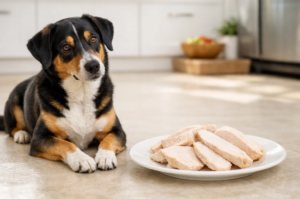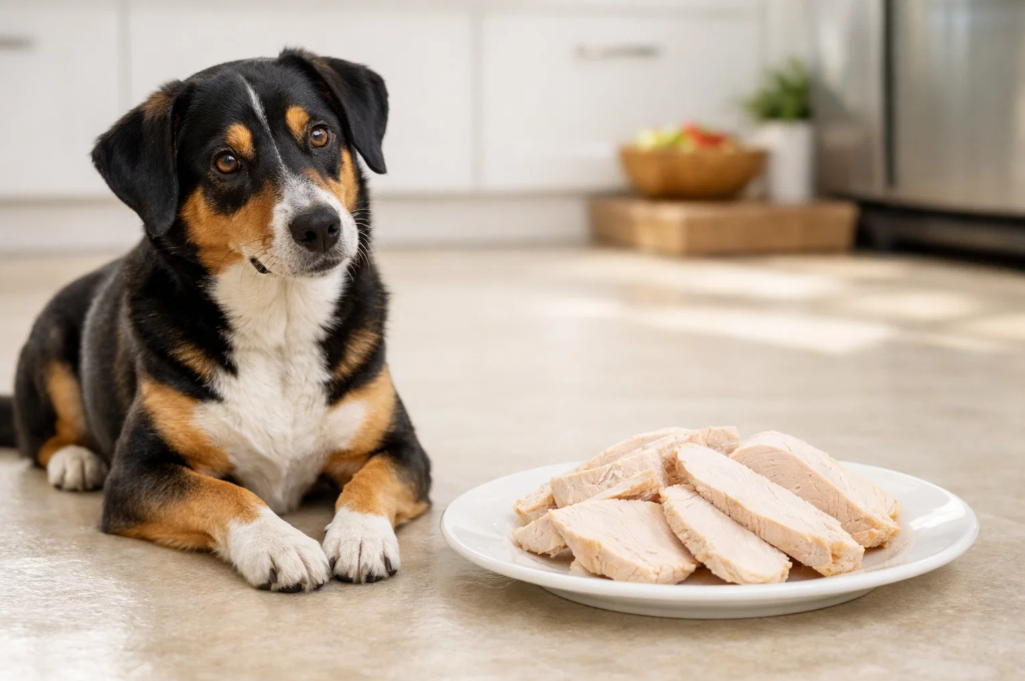
If you’ve ever watched your dog stare longingly at the Thanksgiving turkey or wondered whether that leftover turkey breast is safe to share, you’re not alone. Seeing your dog’s hopeful eyes can lead you to a common question: Can dogs eat turkey? The quick answer is yes, but only when prepared correctly.
Turkey isn’t toxic to dogs. As a hypoallergenic and easily digestible protein, you’ll find it in various commercial dog foods, especially limited-ingredient diets. But we can’t prepare turkey for dogs like turkey for human consumption. The danger lies not in the meat itself, but in the bones, skin, seasonings, and cooking methods. Feeding turkey to your dog is beneficial when you know exactly what is safe and what isn’t.
This ultimate guide by PetStellar will walk you through everything you need to know to safely share turkey with your dog, from nutritional benefits, allergy risks, hidden dangers, safe portions, and vet-approved preparation methods. Understanding these simple differences can help you save your dog’s life and thousands of dollars in emergency vet bills.
Why Turkey Is Everywhere in Dog Food?
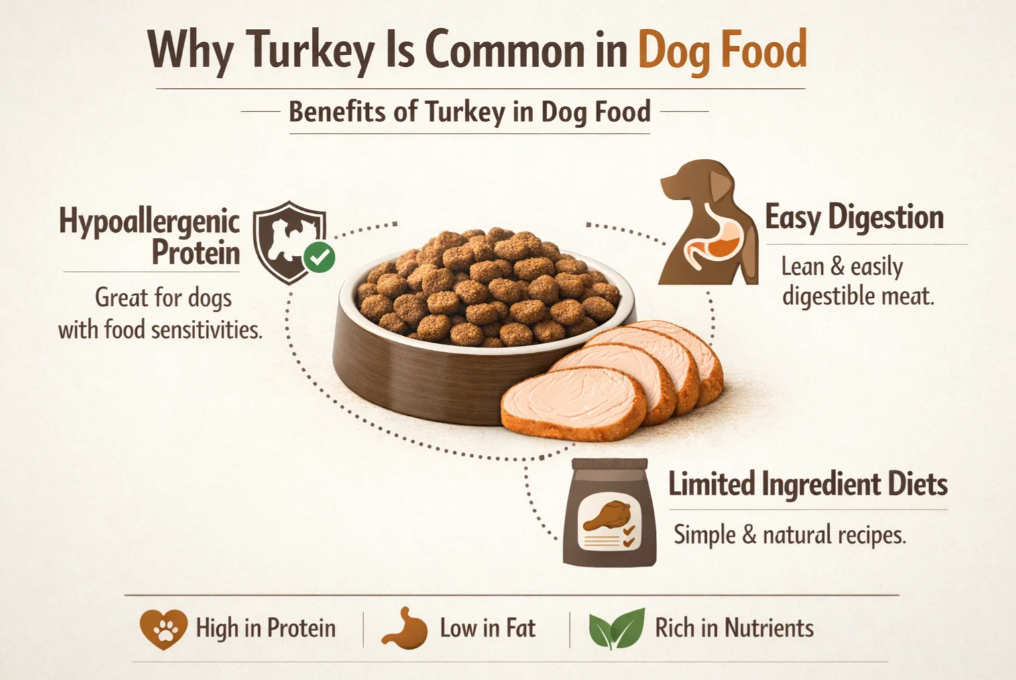
Turkey is a common star ingredient in 90% of dog food. Here are the reasons behind its huge popularity:
1. Hypoallergenic Reputation:
Dogs that are allergic to common proteins like chicken or beef often do well with turkey. That’s why turkey is in hypoallergenic and novel protein dog foods.
2. Easily Digestible Protein:
The amino acid profile in turkey is gentle on canine digestive systems, making it suitable for dogs with sensitive stomachs or those recovering from gastrointestinal issues.
3. Common in Limited-Ingredient Diets:
For dogs requiring simplified diets due to allergies or inflammatory bowel disease, turkey-based formulas provide essential nutrition without unnecessary additives.
When you read dog food labels, look for “turkey meal” or “deboned turkey” as a primary ingredient for higher-quality nutrition.
Turkey for Dogs: Quick Safety Snapshot
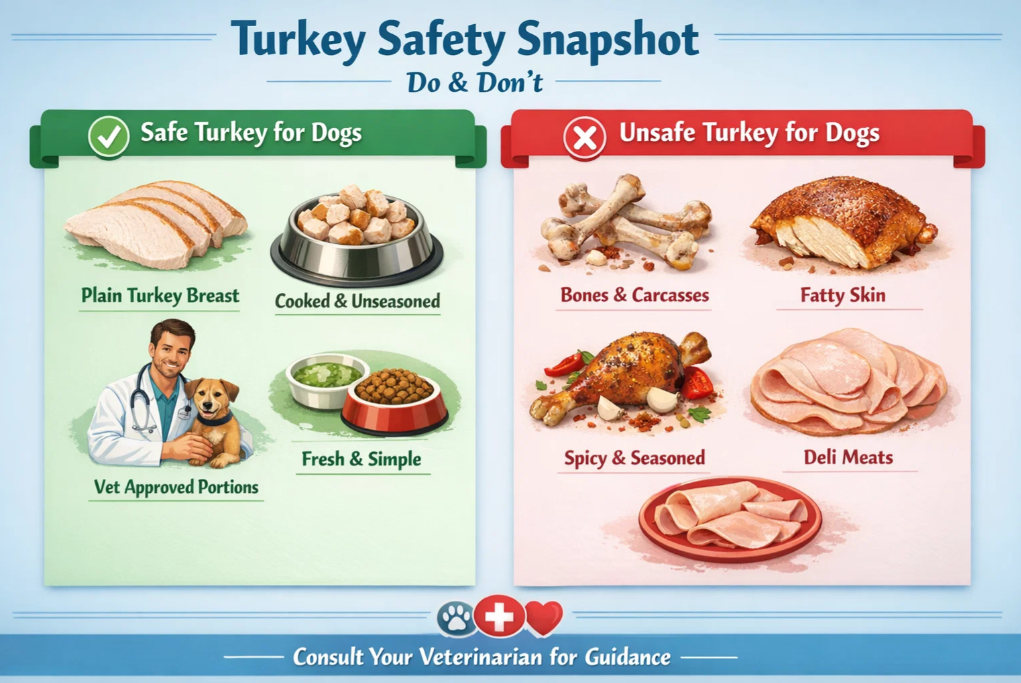
Here’s a quick overview of whether turkey is safe for your dog or not:
- Safe: Plain, cooked, skinless turkey (white meat)
- Unsafe: Bones, skin, seasoning, gravy, deli turkey
- Feed in moderation: Treats should stay under 10% of daily calories
- Never give cooked bones: They splinter and cause internal injuries
This quick reference is your starting point. Keep reading for the details that could protect your dog from serious harm.
The Nutritional Powerhouse: Why Turkey Is Good for Dogs?
When prepared correctly, turkey is more than just a tasty treat; it’s packed with nutrients that support well-being for dogs of all sizes and ages.
| Nutrient | Amount | Benefit for Dogs |
|---|---|---|
| Calories | ~125 kcal | Weight control |
| Protein | ~26 g | Muscle repair, immunity |
| Fat | 1–2 g | Low pancreatitis risk |
| Selenium | ~25 mcg | Antioxidant, thyroid support |
| Phosphorus | ~200 mg | Bone & kidney health |
| Riboflavin (B2) | ~0.2 mg | Energy metabolism |
| Niacin (B3) | ~7 mg | Skin & nerve health |
| Vitamin B6 | ~0.4 mg | Brain & immune function |
| Zinc | ~1.5 mg | Coat & immune health |
1. Lean Protein for Muscle & Energy
Turkey is an excellent source of lean protein, which is vital for building and repairing muscle tissue. A 3-ounce serving of skinless turkey breast provides approximately 26 grams of high-quality protein with minimal fat.
This protein supports:
- Fuels your dog’s energy
- Supports a healthy immune system
- Contributes to strong skin and shiny hair
- Promotes overall vitality and a healthy body weight
Why Do Dogs Need So Much Protein?
Unlike humans, dogs thrive on animal proteins that fuel growth, muscle, and energy. Protein helps working dogs stay strong and ensures that puppies receive the necessary nutrition while growing.
2. Essential Vitamins & Minerals
Turkey is more than just protein. It’s packed with micronutrients that support your dog’s overall health. Here are the key nutrients vital for canine health present in this bird:
- Vitamin B6: Supports brain development and immune response.
- Phosphorus: Works with calcium to build and maintain strong bones and teeth.
- Niacin (Vitamin B3): Needed for healthy skin, digestion, and the nervous system.
- Selenium: An antioxidant that helps boost the immune system and supports healthy thyroid function.
3. Low-Fat White Meat Advantage
White meat from turkey breast is lower in fat and calories compared to dark meat.
White meat (breast) contains:
- Approximately 1-2 grams of fat per 3-ounce serving
- Lower calorie content (around 125 calories per serving)
- Minimal risk of triggering pancreatitis
This makes it an ideal choice for:
- Dogs that are overweight
- Senior dogs who need fewer calories
- Those with health conditions like pancreatitis, where a low-fat diet is essential
While all turkey meat contains fat, dark meat (legs, thighs) contains almost twice as much fat as white meat (breast), making it more likely to trigger digestive upset, weight gain, or even pancreatitis.
Can Dogs Be Allergic to Turkey?
The term hypoallergenic is somewhat misleading in the case of turkey. No protein is completely hypoallergenic for all dogs. However, turkey is less commonly associated with food allergies than beef, dairy, wheat, or chicken, making it a safer bet for most dogs.
Is Turkey Truly Hypoallergenic?
- Many sensitive dogs tolerate turkey well
- Some prescription diets use turkey as the protein source
However, any dog can be allergic to turkey.
Common Signs of a Turkey Allergy in Dogs
If your dog is allergic to turkey, you may notice:
1. Skin-related symptoms:
- Red, inflamed skin or hot spots
- Hair loss from constant scratching
- Excessive licking or chewing of paws
- Persistent itching, especially around the face, paws, ears, and belly
2. Ear infections:
- Frequent ear infections or chronic ear inflammation
- Head shaking or ear scratching
- Odor from the ears
3. Gastrointestinal symptoms:
- Decreased appetite
- Diarrhea or soft stools
- Vomiting shortly after eating
- Excessive gas or bloating
If these signs appear after introducing turkey, stop feeding it immediately and talk to your veterinarian about allergy testing or food trials.
What to Do If Symptoms Appear?
If you suspect your dog has a turkey allergy:
- Avoid reintroducing turkey until you’ve consulted with your veterinarian
- Stop feeding the turkey immediately, and any treats or foods containing turkey
- Keep a symptom diary, noting when symptoms appear and what your dog ate
- Consider an elimination diet under veterinary guidance to identify the specific allergen
When to Consult a Veterinarian in case of Turkey Allergy?
Seek instant veterinary care if your dog experiences:
- Recurrent ear or skin infections
- Persistent gastrointestinal upset
- Severe itching that interferes with sleep or quality of life
- Signs of anaphylaxis (rare but serious): facial swelling, difficulty breathing, or collapse
Your vet may recommend allergy testing or a prescription elimination diet to definitively identify food allergies.
4 Turkey Parts Dogs Should NEVER Eat
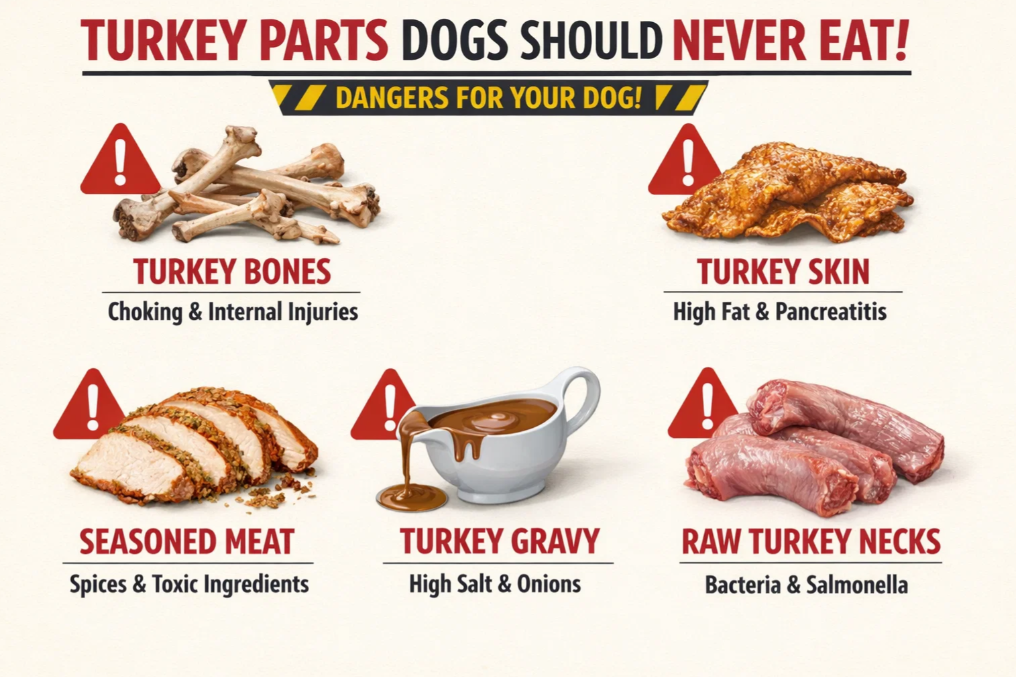
Some turkey treats that seem healthy for humans are downright dangerous for dogs. Here a 4 of them:
| Turkey Part | Safe? | Reason |
|---|---|---|
| Breast (plain) | Yes | Lean protein |
| Thigh (skinless) | Limited | Higher fat |
| Skin | No | Pancreatitis trigger |
| Cooked bones | Never | Splintering & perforation |
| Raw bones | Vet-only | Choking & bacterial risk |
| Neck (cooked) | No | Hollow splintering bones |
| Liver | Moderate | Vitamin A toxicity risk |
| Heart | Yes | Lean organ protein |
| Gizzard | Yes | Muscle meat |
1. Cooked Turkey Bones (High Risk)
This is the single most dangerous part of the turkey for dogs. Cooked bones from turkey leg, thigh, or wings are brittle. When turkey bones are cooked, the heat fundamentally changes their structure. High temperatures remove moisture and make bones brittle and prone to splintering. Unlike raw bones, which are somewhat flexible, cooked bones shatter into sharp shards that act like shrapnel inside your dog’s digestive tract.
The most problematic turkey bones are:
- Neck bones: Hollow and fragile, creating razor-sharp fragments
- Wings: Small bones that splinter easily and can lodge in the throat
- Drumsticks: Large, tempting, and extremely dangerous when cooked
Common risks include:
- Choking hazards
- Cuts or punctures in the mouth, esophagus, or stomach
- Intestinal blockages or perforations (life-threatening emergencies)
Emergency surgeries to remove bones or repair perforations often cost $2,000-$7,000 and carry significant risks. Prevention is infinitely better than treatment.
Remember:
Even a small sliver can get stuck in your dog’s intestines and require emergency surgery. Never give cooked bones to dogs, and keep plates and trash out of reach during family meals.
2. Turkey Skin & Fat Trimmings
Turkey skin might seem like a harmless treat, but it’s one of the most dangerous parts you can give your dog. But why is this so dangerous?
- Fatty foods can trigger pancreatitis: A single fatty meal can cause the pancreas to become inflamed (pancreatitis). This condition is intensely painful, can damage organs, and may even be fatal.
- Seasonings are toxic: The skin can contain onion powder, garlic, salt, and other ingredients that are highly dangerous.
Pancreatitis Explained:
Pancreatitis is inflammation of the pancreas, the organ responsible for producing digestive enzymes and regulating blood sugar. When a dog consumes excessive fat, the pancreas can become overworked and inflamed, releasing enzymes that begin to digest the pancreas itself. In simple words, it is an acute or chronic inflammatory condition that can range from mild to life-threatening.
Pancreatitis Symptoms in Dogs:
- Fever
- Diarrhea
- Dehydration
- Repeated vomiting
- Lethargy and weakness
- Loss of appetite or refusal to eat
- Severe abdominal pain (hunched posture, reluctance to move)
3. Dark Meat vs White Meat
| Type | Fat (3 oz) | Calories | Risk Level |
|---|---|---|---|
| White meat (no skin) | 1–2 g | ~125 | Low |
| Dark meat (no skin) | 6–8 g | ~170 | Moderate |
| Dark meat (with skin) | 11–13 g | ~210 | High |
Turkey dark meat isn’t toxic to dogs, but its higher fat content can trigger weight gain and digestive issues, especially in small breeds or dogs with sensitive stomachs. Not all turkey meat is created equal from a safety standpoint.
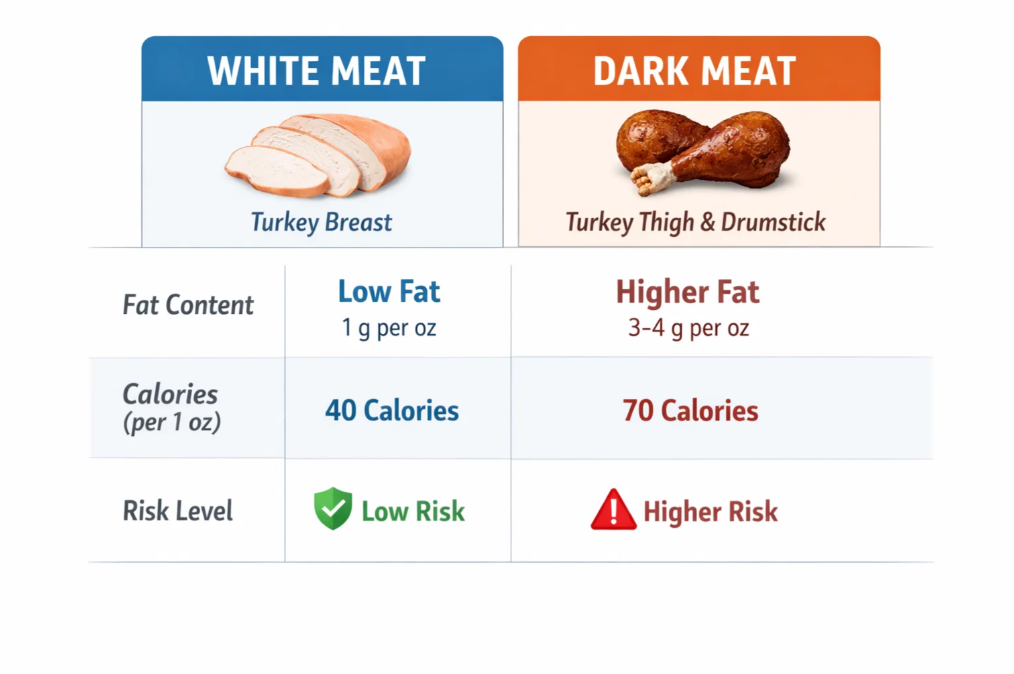
Fat & Calorie Comparison (per 3-ounce serving):
- White meat (skinless): 1-2g fat, ~125 calories
- Dark meat (skinless): 6-8g fat, ~170 calories
- Dark meat (with skin): 11-13g fat, ~210 calories
Why is White Turkey Meat safer than Dark Turkey Meat?
White meat is the safer and healthier option for all dogs. Dark meat contains significantly more fat due to higher myoglobin content (the protein that gives it the darker color). While dark meat isn’t as dangerous as skin, it still poses elevated risks for:
- Overweight or obese dogs
- Dogs with digestive sensitivities
- Dogs with a history of pancreatitis
- Small breed dogs (who have lower fat tolerance)
If you do offer dark meat, remove all skin and fat, and keep portions very small.
4. Toxic Seasonings & Additives (Checklist)
Dog-safe turkey should be completely plain. The herbs, spices, and seasonings that make turkey delicious for humans can be toxic or harmful to dogs:
- Butter & Gravy: Loaded with fat, salt, and often onion or garlic powder. A recipe for pancreatitis and sodium toxicity.
- Excess Salt: Can lead to sodium ion poisoning, causing vomiting, diarrhea, tremors, seizures, and even death in severe cases.
- Sage, Nutmeg, and Other Spices: Can cause gastrointestinal upset, and nutmeg in larger amounts can cause neurological symptoms like tremors and seizures.
- Onions & garlic: Both contain compounds (thiosulfates) that damage red blood cells, leading to anemia. Even small amounts can be toxic, and the effects are cumulative.
- Xylitol: This artificial sweetener, sometimes found in sugar-free gravies or cranberry sauces, is extremely toxic to dogs, causing rapid insulin release, hypoglycemia, liver failure, and death.
Beyond the Bird: Can Dogs Eat Processed Turkey Food?
Not all turkey products are created equal. Some processed versions contain ingredients that are simply unsafe for pets.
| Product | Sodium | Fat | Overall Safety |
|---|---|---|---|
| Deli turkey | 400–600 mg / 2 oz | Low–Mod | Unsafe |
| Turkey bacon | Very high | Very high | Unsafe |
| Turkey sausage | Very high | Very high | Unsafe |
| Smoked turkey | Very high | Moderate | Unsafe |
| Plain ground turkey (99/1) | Low | Very low | Safe |
1. Deli / Lunch Meat
That slice of deli turkey might seem convenient, but it’s far from safe for dogs. Turkey slices from the deli counter are a no-go for dogs. They contain:
- Flavors, fillers, and sometimes added sugar
- High levels of sodium (salt)
- Preservatives such as nitrates and nitrites, which are toxic in large amounts
Health Risks:
- Long-term: Kidney disease, high blood pressure, heart issues
- Short-term: Vomiting, diarrhea, increased thirst/urination
Bottom line: Save the lunch meat for the humans.
2. Turkey Bacon & Sausage
Dog parents love sharing breakfast with their pets, but turkey bacon and sausage are particularly risky. These heavily processed products are even worse than deli meat.
- May contain added sugars or xylitol
- Almost always seasoned with onion and garlic powder
- Very high in grease, artificial flavors, and preservatives
The combination of fat, sodium, and additives makes these products a triple threat for pancreatitis, sodium toxicity, and gastrointestinal upset.
3. Ground Turkey: Choosing the Right Type
Ground turkey can be safe if you select carefully.
Best options:
- 93/7 lean: 93% lean meat, 7% fat — a balanced option for most dogs
- 99/1 lean: 99% lean meat, 1% fat — ideal for dogs requiring extremely low-fat diets
Why lower fat matters: Even ground turkey labeled “lean” can contain 10-15% fat, which may be too rich for sensitive dogs.
Critical preparation rules:
- Always cook thoroughly: Ground meat must reach an internal temperature of 165°F to kill harmful bacteria like Salmonella and E. coli
- Never add seasoning: No salt, pepper, onion, garlic, or spices of any kind
- Drain excess fat: After cooking, drain any fat that has rendered out
Ground turkey prepared this way makes an excellent addition to homemade dog food or as a meal topper for picky eaters.
Turkey vs. Chicken vs. Beef: Which Is Better for Dogs?
Choosing the right protein for your dog isn’t always as simple as picking what’s cheapest on the shelf. Each protein source has unique benefits and disadvantages.
| Feature | Turkey (White Meat) | Chicken (White Meat) | Beef (Lean) |
| Protein Content | High | High | High |
| Fat Level | Very Low | Low | Moderate |
| Digestibility | High | High | Moderate |
| Allergy Potential | Low | Moderate | Higher (more common allergy trigger) |
| Best Use Case | Weight loss, sensitive stomachs | General health, active dogs | Muscle building, picky eaters |
The Verdict:
- Choose turkey when: Your dog needs weight management, has a history of pancreatitis, has chicken allergies, or requires an easily digestible protein.
- Choose chicken when: You need an affordable, readily available protein for everyday feeding, and your dog has no sensitivities.
- Choose beef when: Your dog is highly active, requires muscle building, and has no beef sensitivities (beef is the most common food allergen in dogs).
For many dogs, rotating between proteins provides nutritional variety and reduces the risk of developing sensitivities from repeated exposure to the same protein.
Thanksgiving & Holiday Turkey Dangers
Holidays are a prime time for veterinary emergencies as dogs get into rich scraps and bones. Here’s why table scraps are so risky for pets.
Why One “Small Bite” Can Be So Dangerous?
Even a small nibble of fatty, seasoned turkey or a bone shard can lead to:
- Severe pancreatitis: Pain, vomiting, dehydration, collapse
- GI obstruction or perforation: Surgery required, can be fatal if untreated
- Average vet ER cost: $1,000–$2,000 or more for surgery and hospitalization
Holiday Vet ER Warning
Emergency vets report a spike in:
- Fat-induced pancreatitis (many cases are fatal if not treated rapidly)
- Intestinal or esophageal blockages from bones
- Toxicity from onions, garlic, and other seasonings
Keep all food scraps, leftovers, and trash out of your dog’s reach at all times during the holidays!
Dog-Safe Thanksgiving Plate
Want your dog to join in? Build a “dog-safe” plate:
- A few small pieces of plain, skinless turkey breast (no fat or skin)
- Spoonful of unsweetened, plain pumpkin puree (not pie filling!)
- A few plain, steamed green beans
Critical Rules:
- No seasoning whatsoever: No salt, butter, herbs, or spices
- No gravy: Even a small amount is too fatty
- No bones under any circumstances
- No skin or fat trimmings
Prepare this plate before you season the human food, setting aside your dog’s portion to ensure it remains completely plain.
Does Turkey Make Dogs Sleepy?
Many people think turkey causes drowsiness because of the amino acid tryptophan. But is this true for dogs? Let’s figure it out:
Tryptophan vs Carbohydrates: The Real Science
The truth about tryptophan:
While turkey does contain tryptophan, it’s not present in significantly higher amounts than chicken, beef, or pork. The post-Thanksgiving drowsiness humans experience has more to do with overeating, especially carbohydrate-rich foods like stuffing, potatoes, and pie, which trigger insulin release and make tryptophan more available to the brain.
Why does turkey alone not cause drowsiness in dogs?
Dogs metabolize tryptophan differently than humans, and the amount in a typical serving of plain turkey is not enough to cause sedation. If your dog seems sleepy after eating turkey, it’s more likely due to feeling full and satisfied, not a pharmacological effect.
When Is Lethargy a Red Flag?
If your dog becomes unusually lethargic or sleepy after eating turkey, especially if accompanied by other symptoms, this could indicate:
- Sodium toxicity: From seasoned or processed turkey
- Intestinal blockage: From bones or large pieces of unchewed meat
- Pancreatitis: Lethargy combined with vomiting, loss of appetite, or abdominal pain
Lethargy that’s severe, prolonged, or accompanied by other symptoms warrants immediate veterinary attention.
Emergency Action Plan if Dog Ate Turkey Bones or Skin
If you discover your dog has eaten something dangerous like turkey bones or skin, act fast:
Immediate symptoms (within hours):
- Choking, gagging, or difficulty swallowing
- Excessive drooling
- Pawing at the mouth or face
- Vomiting or attempts to vomit
Delayed symptoms (within 12-72 hours):
- Fever: Measured temperature above 103°F
- Lethargy: Unusual tiredness or weakness
- Loss of appetite: Complete refusal to eat or drink
- Diarrhea: Especially if bloody or contains bone fragments
- Abdominal pain: Whining, restlessness, reluctance to move
- Hunched posture: “Prayer position” with front end down, back end up
- Vomiting: Repeated episodes, especially if food/water won’t stay down
Immediate Steps to Take
1. Do NOT induce vomiting:
This is critical. If your dog has swallowed bones, inducing vomiting can cause bones to become lodged in the esophagus or can cause sharp fragments to perforate the esophagus on the way back up. Never induce vomiting unless explicitly directed by a veterinarian.
2. Contact Your Veterinarian Immediately:
Call your regular vet or an emergency veterinary hospital right away. Provide details about:
- When it happened
- Your dog’s size and weight
- Any symptoms you’re observing
- What your dog ate (bones, skin, how much, what type)
The white bread trick (only if vet-approved):
Some veterinarians may recommend feeding your dog soft white bread after ingesting bones. The bread can wrap around bone fragments, potentially cushioning sharp edges and helping them pass more safely. However, only do this if your vet specifically recommends it for your situation.
When Emergency Care Is Non-Negotiable?
Seek immediate emergency veterinary care if your dog shows:
- Severe distress or signs of pain
- Difficulty breathing
- Repeated vomiting or inability to keep down water
- Bloody vomit or stool
- Rigid, swollen, or extremely painful abdomen
- Collapse or extreme weakness
These symptoms indicate potentially life-threatening complications requiring immediate intervention.
Prevention is key: The best emergency plan is prevention. Keep turkey bones, skin, and dangerous parts completely out of your dog’s reach, including securing trash cans and educating all family members and guests.
How to Safely Prepare Turkey for Your Dog?
The Golden Rule
All turkey prepared for dogs must be:
- Boiled or baked: Simple cooking methods without added fats
- Unseasoned: No salt, pepper, herbs, spices, butter, or oils
- Skinless: All skin and visible fat removed
- Boneless: No bones whatsoever, regardless of size
Safe Turkey Preparation Steps
- Remove all skin and bones before cooking.
- Boil, bake, or roast in plain water—never add onion, garlic, butter, or oil.
- Let cool and shred or chop into bite-size pieces.
- Only use the white meat from the breast for the lowest fat.
- Store leftovers in air-tight containers immediately.
| Hazard | Risk Type | Severity |
|---|---|---|
| Cooked bones | GI perforation | Onion/garlic |
| Skin & fat | Pancreatitis | Extreme |
| Onion / garlic | Hemolytic anemia | Extreme |
| Gravy | Fat + sodium | High |
| Salt | Sodium poisoning | High |
| Nutmeg | Neurological toxicity | Moderate |
| Sage | GI irritation | Moderate |
| Xylitol | Liver failure | Fatal |
Vet-Approved Turkey Recipes for Dogs
Recipe 1: Bland Diet Turkey & Rice
This veterinary-recommended recipe is ideal for dogs with upset stomachs or those recovering from gastrointestinal issues.
Ingredients:
- 1 pound ground turkey (93/7 or leaner)
- 2 cups white rice
- 4 cups water
Instructions:
- In a large pot, cook ground turkey over medium heat, breaking it into small pieces
- Drain any fat that accumulates
- Add white rice and water to the pot
- Bring to a boil, then reduce the heat and simmer for 20 minutes until the rice is fully cooked
- Allow to cool completely before serving
Vet-approved ratios: Feed ⅓ turkey mixture to ⅔ regular food, gradually increasing back to normal diet over 3-5 days as symptoms improve.
Storage: Refrigerate for up to 3 days or freeze in portion-sized containers for up to 3 months.
Recipe 2: Turkey Pupsicles
Perfect for summer cooling or soothing teething puppies.
Ingredients:
- 1 cup cooked, plain ground turkey (99/1 lean)
- 2 cups water or low-sodium chicken broth (no onion or garlic)
Instructions:
- Cook ground turkey thoroughly, and drain all fat
- Allow the turkey to cool completely
- Mix the turkey with water or broth
- Pour into silicone molds or ice cube trays
- Freeze for at least 4 hours
- Pop out and serve as a refreshing treat
Pro tip: Use small molds to create appropriately sized treats for your dog’s size. Small dogs should get smaller pupsicles to prevent choking.
Serving Sizes: How Much Turkey Can Dogs Eat?
Veterinary nutritionists recommend that treats and extras (including turkey) should comprise no more than 10% of your dog’s daily caloric intake. The other 90% should come from complete and balanced dog food.
The 10% Treat Rule Explained
- Small Dogs (under 20 lbs): About 1 tablespoon of shredded turkey breast as a treat
- Medium Dogs (20-50 lbs): Up to 1/4 cup, broken into small, bite-size pieces
- Large Dogs (over 50 lbs): Up to 1/2 cup, maximum
For training treats:
Use pea-sized pieces and adjust meal portions to account for treats.
Portion Size Table
| Dog Weight | Daily Calorie Needs | Treat Allowance (10%) | Turkey Serving Size |
| 10 lbs | 200-275 calories | 20-27 calories | 1-2 tablespoons |
| 20 lbs | 325-400 calories | 33-40 calories | 2-3 tablespoons |
| 50 lbs | 700-900 calories | 70-90 calories | ¼ cup (2 oz) |
| 70 lbs | 1050-1200 calories | 105-120 calories | ⅓ cup (3 oz) |
| 100 lbs | 1350-1500 calories | 135-150 calories | ½ cup (4 oz) |
Important notes:
- These are maximum amounts, not daily recommendations
- Active dogs may tolerate slightly more; sedentary dogs should receive less
- Always account for turkey when calculating total daily treats
- Adjust regular meal portions if giving substantial turkey portions
Calorie content: Plain, cooked turkey breast contains approximately 45-50 calories per ounce.
Start Small
When introducing turkey:
- Start with just 1 teaspoon for small dogs or 1 tablespoon for large dogs
- Wait 24 hours and watch for any digestive upset
- If no problems occur, you can gradually increase to the amounts in the table
- Never rush the introduction of new foods
Safe Storage & Leftover Rules
Proper turkey storage keeps both you and your dog safe from food poisoning.
- Refrigeration: Store plain, cooked turkey for up to 3–4 days in a sealed container.
- Freezing: Freeze cooked, plain turkey in meal-size portions for up to 3 months.
- Reheating: Only reheat plain, unseasoned turkey for your dog. Never give leftovers that have been seasoned or mixed with sauces.
- No spoiled food: If it smells off, toss it! Dogs aren’t immune to food poisoning.
Avoid Spoiled or Reheated Holiday Leftovers
Holiday turkey poses additional risks:
- Multiple reheatings: Increases bacterial growth risk
- Temperature abuse: Leftovers left out during meals or parties
- Unknown ingredients: Butter, broth, or seasonings injected or basted into the meat
- Cross-contamination: Stored near stuffing, gravy, or other dangerous foods
When in doubt, throw it out. Your dog’s safety is worth more than a few dollars of leftover turkey.
Can Dogs Eat Turkey? FAQs
Can dogs eat turkey hearts or liver?
Yes, turkey hearts and liver are safe for dogs when cooked plain and fed in moderation. These organ meats are actually highly nutritious, packed with vitamins A, B vitamins, iron, and protein. However, they should comprise only about 5% of your dog’s diet, as too much liver can lead to vitamin A toxicity. Always cook thoroughly and never season. Introduce slowly and watch for any digestive upset.
Can puppies eat turkey?
Yes, puppies can eat small amounts of plain, cooked turkey once they’re eating solid food (typically around 8 weeks old). Turkey provides high-quality protein for growing puppies. Start with tiny amounts (½ teaspoon for small breeds, 1 teaspoon for large breeds) and watch for any digestive issues. Ensure turkey is cooked thoroughly, boneless, skinless, and unseasoned. Remember that puppies need complete and balanced puppy food as their main diet, so turkey should only be an occasional treat.
Can dogs eat turkey necks?
Raw turkey necks can be safe for dogs under specific circumstances and with veterinary guidance, as they provide dental benefits and nutrients. However, cooked turkey necks are extremely dangerous due to splintering risks and should never be given to dogs. Even raw turkey necks pose choking hazards and should only be given to dogs accustomed to eating raw bones, under supervision, and sized appropriately for the dog. Many veterinarians recommend avoiding them entirely due to safety concerns. Consult your vet before offering turkey necks.
Can dogs eat turkey gizzards?
Yes, turkey gizzards are safe and nutritious for dogs when cooked plain. Gizzards are muscle meat that’s rich in protein, vitamins, and minerals, including iron and zinc. They can be boiled or baked without any seasoning. Some dogs find the texture chewy and enjoyable. Start with small amounts to ensure your dog tolerates them well. Like other organ meats, they should be fed in moderation as part of a varied diet.
Can dogs drink turkey broth?
Homemade turkey broth made specifically for dogs can be a healthy treat. However, it must be made without onions, garlic, salt, or other seasonings. Simply simmer plain turkey parts (meat, not bones) in water, let cool, skim off all fat, and serve in small amounts. Store-bought turkey broth, turkey stock, or canned broth is almost always too high in sodium and often contains onion or garlic, making it unsafe for dogs. When in doubt, make your own or skip it.
Is raw turkey safe for dogs?
Raw turkey carries significant risks due to bacterial contamination (Salmonella, Campylobacter, E. coli) that can sicken both dogs and their human family members through shedding. While some people feed raw diets under veterinary supervision, raw turkey is generally not recommended for average pet owners. If you choose to feed raw turkey, source it from reputable suppliers, handle it with strict hygiene protocols, and consult with a veterinarian experienced in raw feeding. Cooked turkey is the safer option for most dogs and households.
Can dogs eat smoked turkey?
Smoked turkey is not recommended for dogs. The smoking process typically involves heavy salting, and many smoked turkey products contain additional seasonings, preservatives, and high sodium levels. Even plain-labeled smoked turkey usually contains far too much salt for dogs. Additionally, some liquid smoke flavorings contain ingredients that may irritate your dog’s digestive system. If you want to give your dog turkey, stick to plain, home-cooked turkey breast rather than any smoked varieties.
Final Verdict: Can Dogs Eat Turkey?
Yes, dogs can eat turkey as long as it’s prepared properly. They offer a healthy source of lean protein. Plain, cooked, skinless, boneless turkey breast is not only safe but nutritious for most dogs, providing high-quality protein, essential vitamins, and minerals with minimal fat.
Most health risks come from human-style preparation, bones, fatty skin, spices, and processed meat products. By offering only small, plain portions as a treat, you can give your dog a tasty, protein-rich snack with lots of nutritional benefits.
About The Author